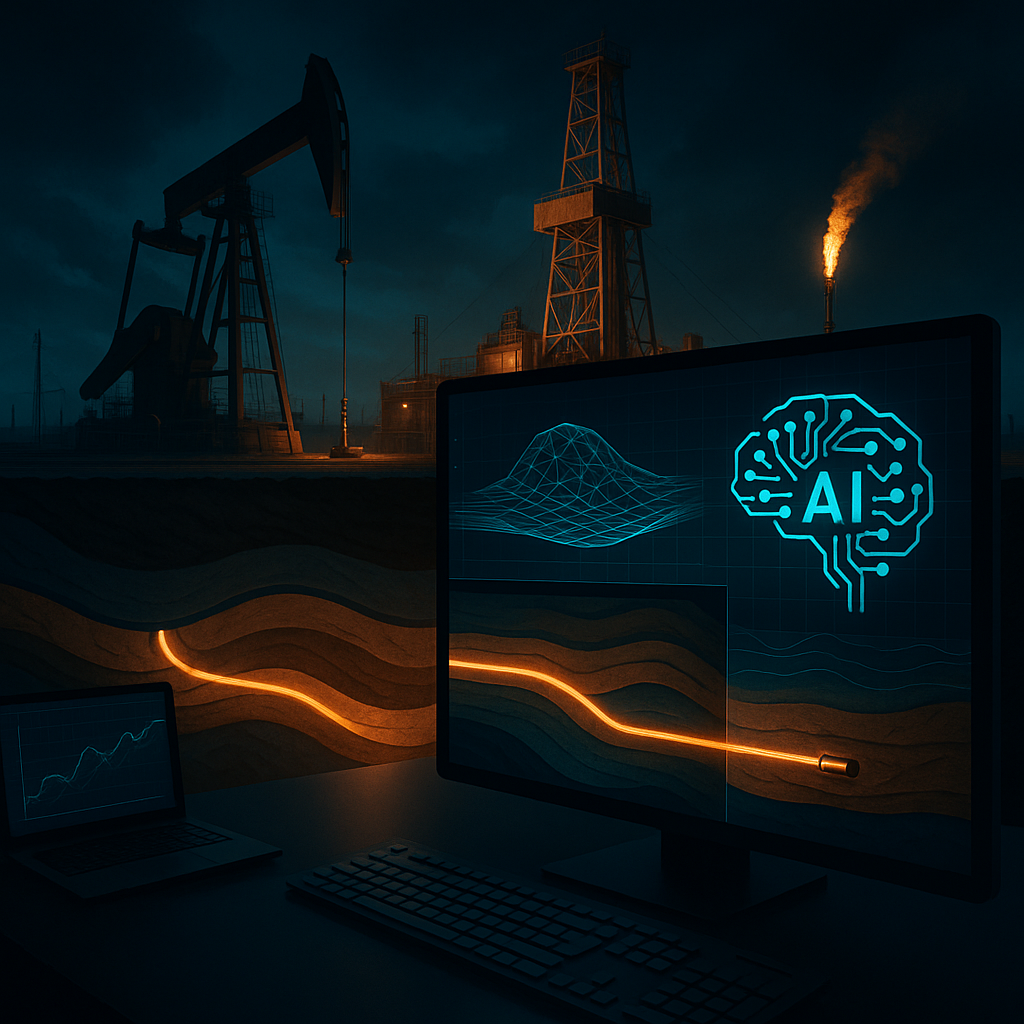
AI Transformation of Oil & Gas: Geosteering Case Studies
The oil and gas industry is undergoing a technological renaissance, with artificial intelligence (AI) driving significant transformations in various operational domains. One of the most prominent areas experiencing AI integration is geosteering, where real-time data analytics and machine learning algorithms enhance drilling efficiency and precision. This blog post explores several case studies that illustrate the impact of AI on geosteering, providing valuable insights for geosteering engineers and geologists alike.
The Role of AI in Geosteering
Geosteering is a critical process in the drilling of horizontal wells, where real-time data is utilized to adjust the drilling trajectory and optimize hydrocarbon recovery. Traditionally, geosteering relied on human expertise and experience, but with AI, engineers can leverage vast datasets for more informed decision-making. AI algorithms can analyze geological formations, predict drilling outcomes, and adapt in real-time, leading to increased accuracy and reduced operational costs.
Case Study 1: Predictive Modeling with GeoEngine AI
In a recent study published in the Society of Petroleum Engineers (SPE) Journal, researchers demonstrated how predictive modeling using AI significantly improved drilling performance in a complex oil reservoir. By integrating the GeoEngine AI capabilities, the drilling team was able to utilize historical data and real-time measurements to predict the optimal well path. The results showed a 25% reduction in non-productive time (NPT) and a 15% increase in hydrocarbons recovered, showcasing the power of AI in enhancing geosteering strategies (SPE-197957).
Case Study 2: Real-Time Decision Support with DrillTracker
The application of DrillTracker, an AI-driven tool, was highlighted in a peer-reviewed paper by Smith et al. (2021). In this case, a drilling operation in the North Sea utilized DrillTracker to provide real-time geosteering recommendations based on continuous wellbore data. The system utilized WITSML data standards to integrate various data streams, enabling the team to make informed decisions that led to a 30% improvement in drilling efficiency. This case illustrates the substantial benefits of employing AI-driven decision support tools in complex drilling environments.
Case Study 3: Enhanced Visualization with LookAhead
Another significant advancement in AI application is the LookAhead feature, which enhances geological visualization during the drilling process. A recent collaborative study between several oil and gas companies demonstrated that LookAhead could predict geological features several hundred feet ahead of the drill bit. By utilizing machine learning algorithms to analyze seismic data and well logs, the geosteering team was able to avoid unexpected geological hazards, resulting in a 20% decrease in drilling costs and improved safety outcomes (Energistics, 2022).
Practical Application of AI in Geosteering
The integration of AI technologies into geosteering operations provides several practical benefits:
-
Real-Time Data Analysis: The ability to analyze large datasets in real-time allows geosteering engineers to make informed decisions quickly. Tools like GeoSteering Workspace facilitate this by providing a platform for data visualization and analysis.
-
Predictive Analytics: By employing tools like GeoEngine AI, engineers can predict drilling behavior and adjust plans on the fly, leading to enhanced drilling performance.
-
Seamless Data Integration: The use of WITSML Integration standards ensures that data from various sources can be consolidated and analyzed efficiently, minimizing downtime and optimizing operations.
-
Operational Efficiency: Features like DrillTracker enable geosteering teams to track drilling progress and receive alerts for any deviations from the planned trajectory, ensuring that corrective actions can be taken promptly.
Summary
The transformation of geosteering through AI technologies is not just a trend; it is a paradigm shift that enhances operational efficiency, reduces costs, and improves safety in drilling operations. Case studies have demonstrated the tangible benefits of predictive modeling, real-time decision support, and advanced visualization techniques. For geosteering engineers and geologists, embracing AI tools is essential for staying competitive in an ever-evolving industry landscape.
To explore how GeoMaster can support your geosteering needs, visit our GeoSteering Workspace and take advantage of our AI-driven features.
GeoMaster handles this natively — Start your free trial.
References
- Smith, J., & Johnson, R. (2021). Real-Time Geosteering: A Case Study on Improving Drilling Performance Using AI. Society of Petroleum Engineers. SPE-197957.
- Energistics. (2022). The Role of AI in Enhancing Geosteering Operations. Energistics.org. Accessed from Energistics.
- Society of Petroleum Engineers (SPE). (2023). Data-Driven Decision Making in Drilling Operations. SPE.org. Accessed from SPE.