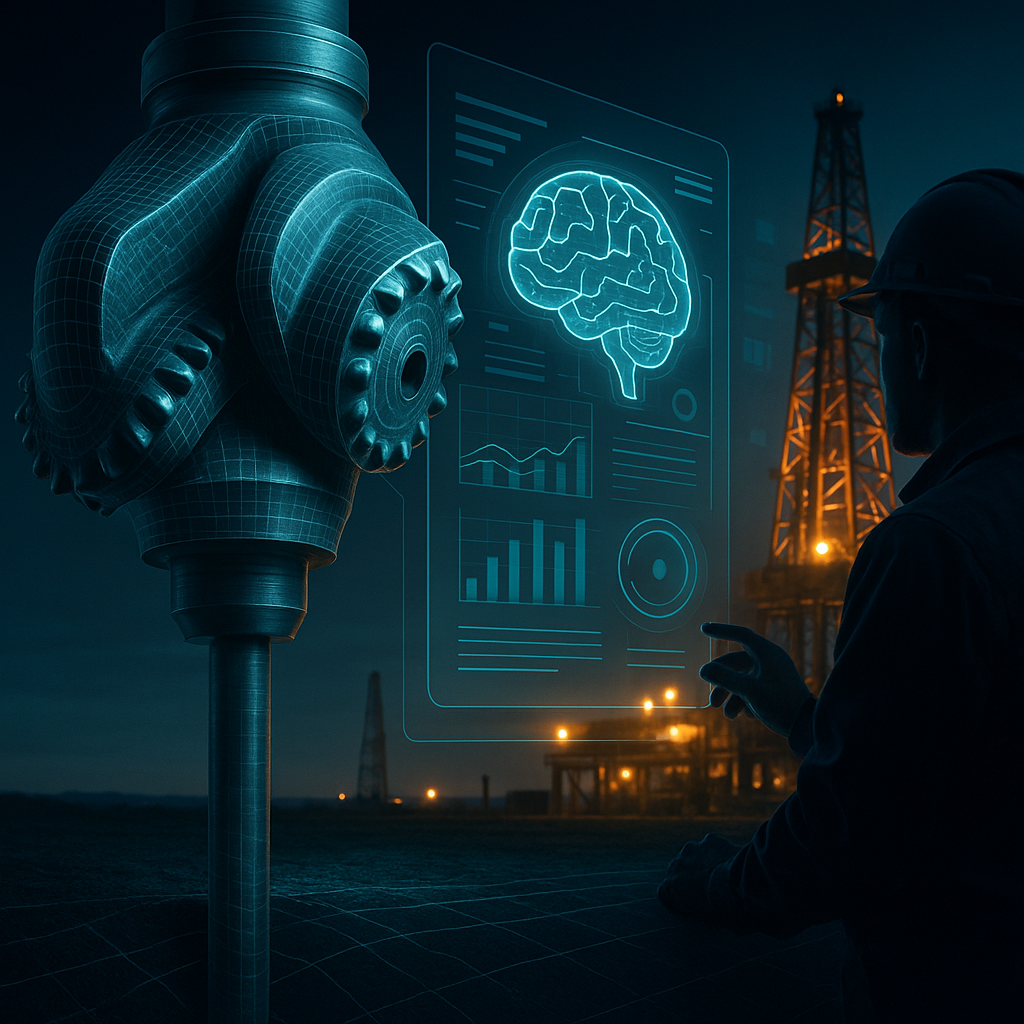
Enhancing Drilling with AI in Oil and Gas Operations
In recent years, the integration of artificial intelligence (AI) in the oil and gas industry has transformed traditional drilling operations. As drilling engineers and petrophysicists seek to optimize performance, reduce costs, and enhance safety, AI technologies offer innovative solutions that streamline processes and improve decision-making. This article explores the current advancements in AI applications for drilling operations, focusing on geosteering, predictive analytics, and real-time data integration.
The Role of AI in Drilling Operations
AI technologies, including machine learning and data analytics, have the potential to revolutionize drilling operations by providing insights that were previously unattainable. For example, the ability to analyze large datasets in real time allows drilling teams to react swiftly to changing geological conditions, thereby enhancing drilling efficiency and minimizing non-productive time (NPT).
Geosteering Optimization with AI
Geosteering involves continuously adjusting drilling direction based on real-time data to stay within the target zone of hydrocarbons. AI can enhance geosteering efforts by providing predictive models that analyze geological formations and recommend optimal drilling parameters. According to an SPE paper by B. Raghavan et al. (2019), implementing AI algorithms in geosteering led to an increase in the percentage of wellbore within the target zone by approximately 20%, demonstrating the technology's effectiveness in maximizing resource recovery.
For practical applications, consider the use of GeoSteering Workspace to visualize subsurface formations and integrate AI-driven recommendations into the drilling process. This feature allows engineers to make informed decisions based on predictive analytics derived from historical drilling data.
Predictive Analytics for Drilling Performance
Predictive analytics is another area where AI can significantly impact drilling operations. By analyzing historical drilling data, AI models can forecast potential drilling hazards, optimize drilling parameters, and predict equipment failures. A study published in the SPE’s Journal of Petroleum Technology by K. N. Shalev (2020) highlights how predictive maintenance powered by AI can reduce downtime and extend the lifespan of drilling equipment.
Using DrillTracker, drilling engineers can leverage these predictive analytics to monitor drilling performance continuously. This tool integrates real-time data feeds, allowing for proactive adjustments based on predictive insights, thus ensuring that drilling operations remain on schedule and within budget.
Real-Time Data Integration and WITSML Standards
The integration of real-time data is crucial in modern drilling operations. AI systems can analyze data from various sources simultaneously, delivering actionable insights that help drilling teams make informed decisions. Utilizing WITSML (Wellsite Information Transfer Standard Markup Language) standards ensures that data is exchanged seamlessly between different software systems, enhancing collaboration across teams.
GeoMaster’s WITSML Integration allows for the streamlined exchange of drilling data, which facilitates better decision-making in real time. This integration ensures that all team members are working with the most current information, significantly reducing the risk of miscommunication and operational delays.
Enhancing Decision-Making with GeoEngine AI
AI systems like GeoEngine AI provide advanced tools for analyzing and interpreting subsurface data. By employing machine learning algorithms, these systems can identify patterns and anomalies that may not be immediately apparent to human analysts. The result is a more thorough understanding of subsurface conditions and improved drilling strategies.
For example, using LookAhead, drilling engineers can visualize potential future drilling paths based on current data trends, allowing for better planning and risk mitigation. This capability can lead to significant cost savings and enhanced safety throughout the drilling process.
Practical Application
Consider a recent case study where a drilling team employed GeoMaster’s suite of tools, including GeoSteering Workspace, DrillTracker, and GeoEngine AI. Faced with unexpected geological formations, the team utilized real-time data analytics to adjust their drilling strategy on-the-fly. By referencing predictive insights from AI models, they were able to navigate around barriers effectively, ultimately increasing the overall rate of penetration (ROP) and minimizing NPT.
Summary
The incorporation of AI into oil and gas drilling operations is no longer a futuristic concept; it is a present-day reality that enhances efficiency, safety, and economic viability. From optimizing geosteering to leveraging predictive analytics and ensuring robust real-time data integration, AI technologies are reshaping how drilling engineers and petrophysicists approach their work.
To explore how GeoMaster can transform your drilling operations and enhance your team's performance, Start your free trial.
References
- Raghavan, B., et al. (2019). "AI for Geosteering: A New Approach." SPE Annual Technical Conference and Exhibition. SPE-195800-MS.
- Shalev, K. N. (2020). "Predictive Maintenance in Drilling Operations." Journal of Petroleum Technology. SPE-199999-MS.
- Energistics. (n.d.). "WITSML: Wellsite Information Transfer Standard." Energistics. energistics.org