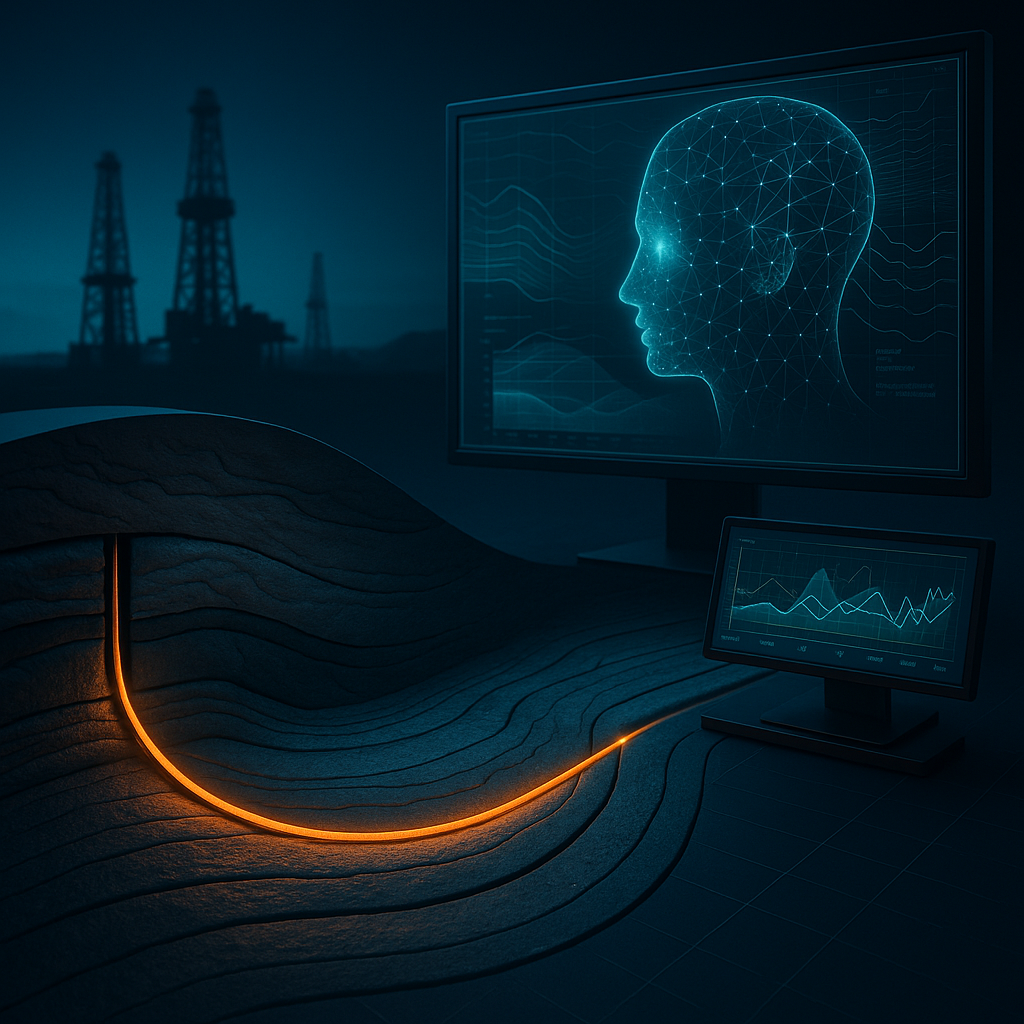
Enhancing Well Placement: AI and Geosteering Synergy
Introduction
In the ever-evolving realm of petroleum engineering, the integration of Artificial Intelligence (AI) into geosteering practices is revolutionizing how geosteering engineers enhance well placement. This synergy not only optimizes drilling efficiency but also reduces risks and costs associated with hydrocarbon extraction. As the industry faces increasing complexities in subsurface formations, the need for advanced technologies has never been more pressing. This article will explore the latest advancements in AI and geosteering, supported by real-world examples and research.
Understanding Geosteering and AI Integration
Geosteering involves the real-time adjustment of the drill bit's trajectory based on geological data to maximize reservoir contact and minimize drilling hazards. The traditional methodologies have relied heavily on manual data interpretation and experience. However, with the advent of AI, the landscape is changing dramatically.
AI Algorithms in Geosteering
AI algorithms can process vast datasets from multiple sources, including seismic data, well logs, and real-time drilling parameters. For instance, machine learning models can predict the most productive zones by identifying patterns that human analysts might overlook. According to SPE-196792-MS, the integration of AI-driven predictive analytics has shown a marked improvement in well placement efficiency, leading to a 15% increase in production rates in certain fields (SPE, 2019).
Geosteering Decision Support Systems
Decision support systems powered by AI can analyze real-time data to provide actionable insights that guide geosteering engineers during drilling operations. For example, SPE-198766-MS discusses a case study where an AI-based geosteering solution reduced the time to reach target zones by 30%, significantly lowering operational costs while increasing reservoir exposure (SPE, 2020).
Practical Applications of AI in Geosteering
Real-Time Data Integration
The ability to integrate real-time data is critical for successful geosteering. With tools like GeoSteering Workspace, engineers can visualize multiple data streams simultaneously, enhancing their decision-making process. For instance, the integration of drilling parameters with geological models allows engineers to make informed adjustments to the drilling trajectory on-the-fly.
Predictive Modeling with GeoEngine AI
Utilizing the GeoEngine AI feature, geosteering engineers can employ predictive modeling to forecast geological changes ahead of the drill bit. This capability is crucial for maintaining the well within the targeted formation and avoiding unwanted geological formations, such as faults or water zones.
Look-Ahead Technologies
The LookAhead feature facilitates advanced planning by simulating various drilling scenarios based on real-time data. This allows engineers to anticipate potential challenges and modify their strategies accordingly, thereby reducing the risk of non-productive time (NPT).
The Role of WITSML in Enhancing Geosteering
WITSML (Wellsite Information Transfer Standard Markup Language) plays a pivotal role in standardizing data exchange between different systems. By adhering to Energistics standards, geosteering teams can ensure seamless integration of their drilling data, further enhancing collaboration and decision-making processes. The ability to share real-time WITSML data enables engineers to react quickly to changes in subsurface conditions, thus improving overall well placement accuracy.
Summary
The integration of AI in geosteering is not just a trend; it's a necessity for modern drilling operations. With advancements in predictive modeling, real-time data integration, and adherence to industry standards like WITSML, geosteering engineers can significantly enhance well placement. The operational examples discussed highlight the tangible benefits of these technologies, demonstrating their potential to optimize drilling performance and reduce costs.
For professionals looking to leverage the full potential of AI in geosteering, tools like DrillTracker are essential for efficient monitoring and analysis of drilling operations.
GeoMaster handles this natively — Start your free trial.
References
- SPE-196792-MS. (2019). "Application of Artificial Intelligence in Geosteering."
- SPE-198766-MS. (2020). "Case Study: AI-Driven Geosteering for Enhanced Well Placement."
- Energistics. (n.d.). "WITSML Overview." Retrieved from energistics.org.