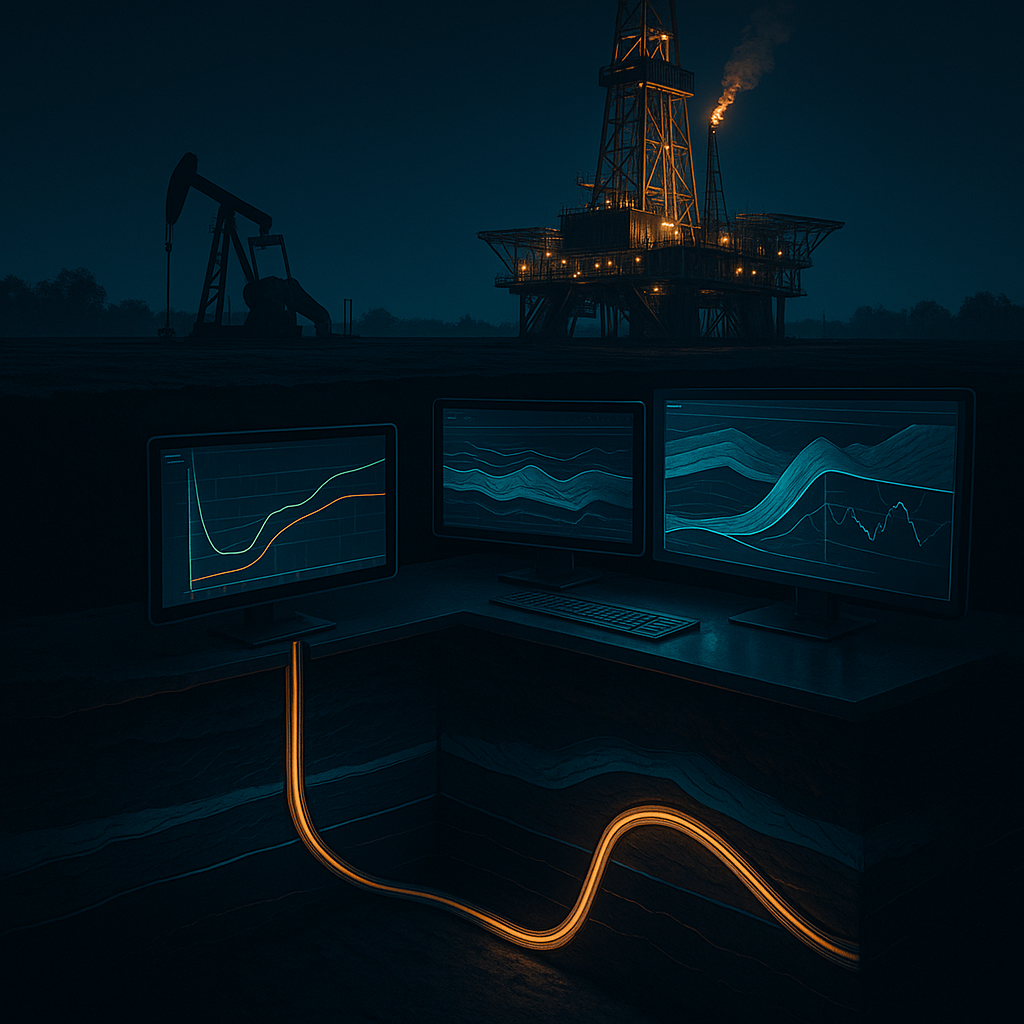
The Future of Drilling: Geosteering in Multilateral Wells
The oil and gas industry is continually evolving, driven by technological advancements that enhance efficiency and precision in drilling operations. One of the most significant innovations in recent years is geosteering, particularly in the context of multilateral wells. This blog post discusses the future of drilling with a focus on geosteering in multilateral wells, exploring its benefits, challenges, and practical applications for geosteering and drilling engineers.
Understanding Geosteering in Multilateral Wells
Geosteering is the process of adjusting the drilling path in real-time based on geological data obtained from various sources, including logging while drilling (LWD) and measurements while drilling (MWD). Multilateral wells, which branch off from a single wellbore, require precise geosteering techniques to optimize hydrocarbon extraction while minimizing costs.
According to the Society of Petroleum Engineers (SPE), effective geosteering can significantly improve reservoir contact and production rates (SPE-198025). In multilateral wells, this becomes even more critical as engineers must navigate complex geological formations and ensure that each lateral remains within the target zone.
The Role of Real-Time Data
One of the primary advancements in geosteering is the use of real-time data analytics. Tools that leverage data from WITSML (Wellsite Information Transfer Standard Markup Language) enable engineers to make informed decisions on-the-fly. Real-time data allows geosteering engineers to visualize subsurface conditions and adjust drilling parameters accordingly.
Example: Utilizing GeoSteering Workspace, engineers can access real-time LWD data to assess the wellbore's position relative to the target formation. By implementing WITSML integration, they can ensure seamless data flow from the rig site to the office, improving communication and decision-making processes.
Advanced Geosteering Technologies
The future of geosteering in multilateral wells is paved with advanced technologies like artificial intelligence (AI) and machine learning. The GeoEngine AI feature in GeoMaster, for instance, analyzes historical drilling data to predict optimal drilling paths and improve accuracy.
Research shows that AI algorithms can process vast amounts of geological data, allowing for enhanced predictive capabilities (SPE-198026). This enables geosteering engineers to make data-driven decisions that minimize risks and enhance drilling efficiency.
Overcoming Geosteering Challenges
While geosteering offers numerous benefits, it also presents challenges, particularly in multilateral wells. The complexity of multiple laterals requires meticulous planning and execution. Engineers must carefully monitor the trajectory of each lateral to avoid drilling into non-target zones or encountering unexpected geological formations.
Example: The DrillTracker feature can assist geosteering engineers in monitoring wellbore trajectories in real-time, allowing for quick adjustments that keep laterals within the desired formation. This proactive approach can mitigate costly drilling errors and enhance overall project outcomes.
Practical Application
Implementing geosteering in multilateral wells involves a strategic approach to data integration and real-time monitoring. By utilizing tools such as LookAhead for predictive modeling, geosteering engineers can anticipate geological features and adapt their drilling strategies accordingly.
For instance, during a recent drilling campaign in a complex shale formation, a geosteering engineer employed LookAhead to visualize potential risks and optimize the wellbore path. The result was a successful lateral that maintained optimal reservoir contact and reduced non-productive time (NPT).
Summary
The future of drilling lies in the effective application of geosteering technologies, particularly in multilateral wells. By leveraging real-time data, advanced analytics, and predictive modeling, geosteering engineers can enhance drilling performance, reduce costs, and optimize hydrocarbon recovery.
As the industry continues to embrace these advancements, tools like GeoMaster offer the capabilities needed to navigate the complexities of modern drilling operations.
GeoMaster handles this natively — Start your free trial.