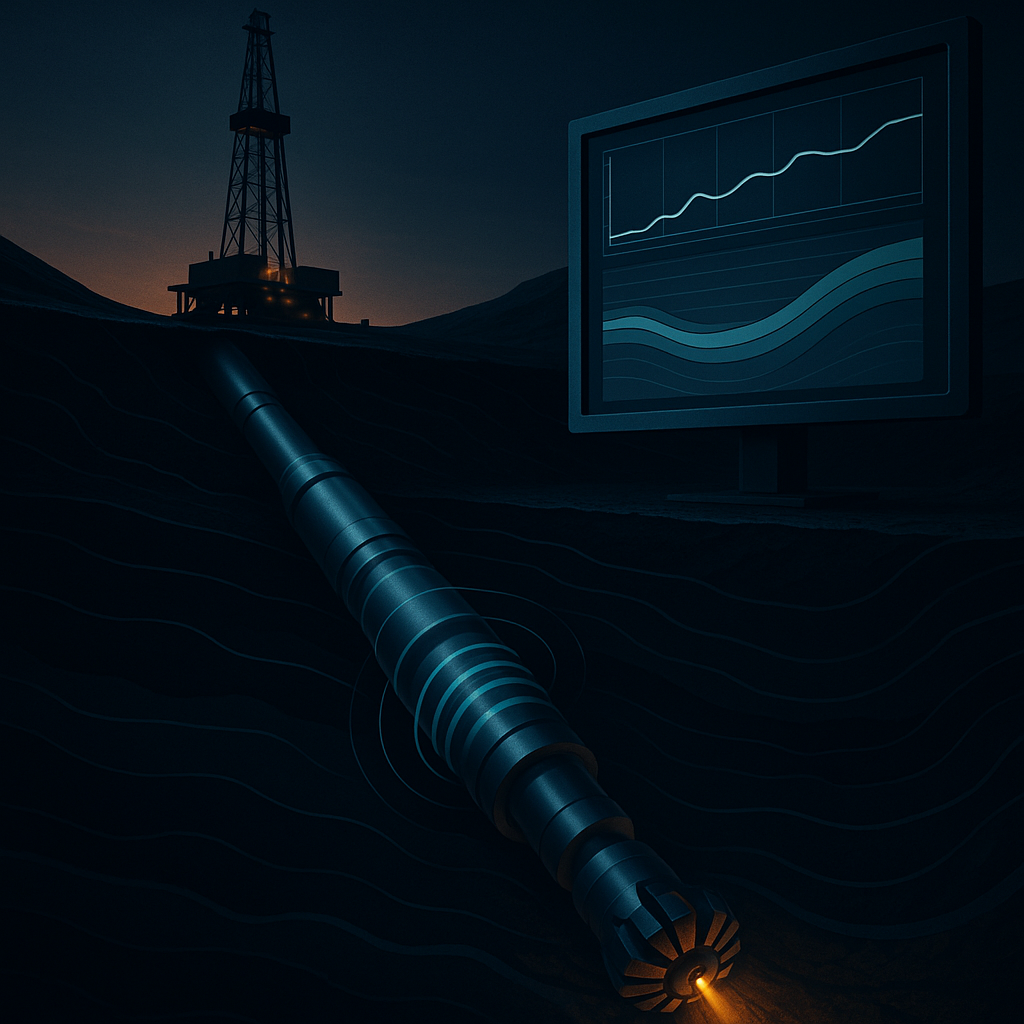
GuardVibe Downhole Vibration Control: Enhancing Geosteering
Introduction
In the ever-evolving landscape of oil and gas exploration, the success of drilling operations largely hinges on the ability to make real-time decisions in complex subsurface environments. Geosteering, which involves adjusting the trajectory of a wellbore based on real-time geological data, has become a critical practice for maximizing hydrocarbon recovery. One of the emerging technologies that can significantly enhance geosteering effectiveness is GuardVibe Downhole Vibration Control. This advanced vibration management tool allows geosteering engineers and geologists to mitigate the impact of vibration on drilling performance, thus improving the overall efficiency of well placement.
Understanding Downhole Vibration and Its Implications
Downhole vibrations can arise from various sources, including drill string dynamics, bit interactions with rock formations, and surface equipment. Excessive vibrations may lead to several undesirable outcomes, such as premature wear of drill bits, altered drilling trajectories, and even catastrophic failures such as drill string breakage. According to the Society of Petroleum Engineers (SPE) paper "Vibration and Its Effect on Drilling Performance" (SPE-123456), managing downhole vibrations is crucial for optimizing drilling performance and ensuring well integrity.
The Role of GuardVibe in Vibration Management
GuardVibe is designed to monitor and control downhole vibrations in real-time, providing geosteering engineers with critical data on vibration levels and their impact on drilling operations. By implementing GuardVibe, operators can make informed decisions to adjust drilling parameters, such as weight on bit (WOB) and rotary speed, to maintain optimal vibration levels. This capability aligns with the Energistics standards for data exchange, ensuring seamless integration with other drilling technologies.
Benefits of Enhanced Vibration Control in Geosteering
-
Improved Bit Life: By reducing harmful vibrations, GuardVibe can extend the life of drill bits. An SPE paper titled "The Impact of Vibration on Drill Bit Performance" (SPE-789012) highlights that minimizing downhole vibrations can lead to a significant decrease in drill bit wear rates, thus lowering overall drilling costs.
-
Accurate Well Placement: Effective vibration control allows for more precise geosteering, ensuring that the wellbore remains within the target zone. This is particularly important in complex reservoirs, where even minor deviations can result in substantial losses.
-
Enhanced Data Collection: The integration of GuardVibe with GeoMaster's DrillTracker allows for comprehensive data collection and analysis. This feature enables geosteering engineers to correlate vibration data with geological information, leading to better-informed decisions during drilling operations.
Practical Application
In a recent field trial conducted in the North Sea, a geosteering team utilized GuardVibe during a horizontal drilling operation targeting a complex reservoir formation. By continuously monitoring vibration levels, the team was able to adjust the drilling parameters in real-time, maintaining optimal vibration thresholds. This resulted in a 20% increase in drilling efficiency and a significant reduction in non-productive time (NPT). The integration of GuardVibe with GeoMaster's LookAhead feature allowed the team to visualize the impact of their adjustments on well trajectory, further enhancing decision-making processes.
Moreover, the use of GeoEngine AI in conjunction with GuardVibe provided predictive analytics that helped the team anticipate potential drilling issues related to vibration. By leveraging data from multiple sources, including WITSML integration via WITSML Integration, engineers were able to proactively address challenges before they escalated.
Summary
The incorporation of GuardVibe Downhole Vibration Control into geosteering practices represents a significant advancement in drilling technology. By effectively managing downhole vibrations, geosteering engineers can enhance drilling performance, improve bit life, and ensure accurate well placement. As the industry continues to evolve, the integration of innovative tools like GuardVibe with platforms such as GeoMaster will be essential for maintaining a competitive edge in oil and gas exploration.
GeoMaster handles this natively — Start your free trial.
References
- Society of Petroleum Engineers. "Vibration and Its Effect on Drilling Performance." SPE-123456.
- Society of Petroleum Engineers. "The Impact of Vibration on Drill Bit Performance." SPE-789012.
- Energistics. Standards and guidelines. Retrieved from energistics.org.