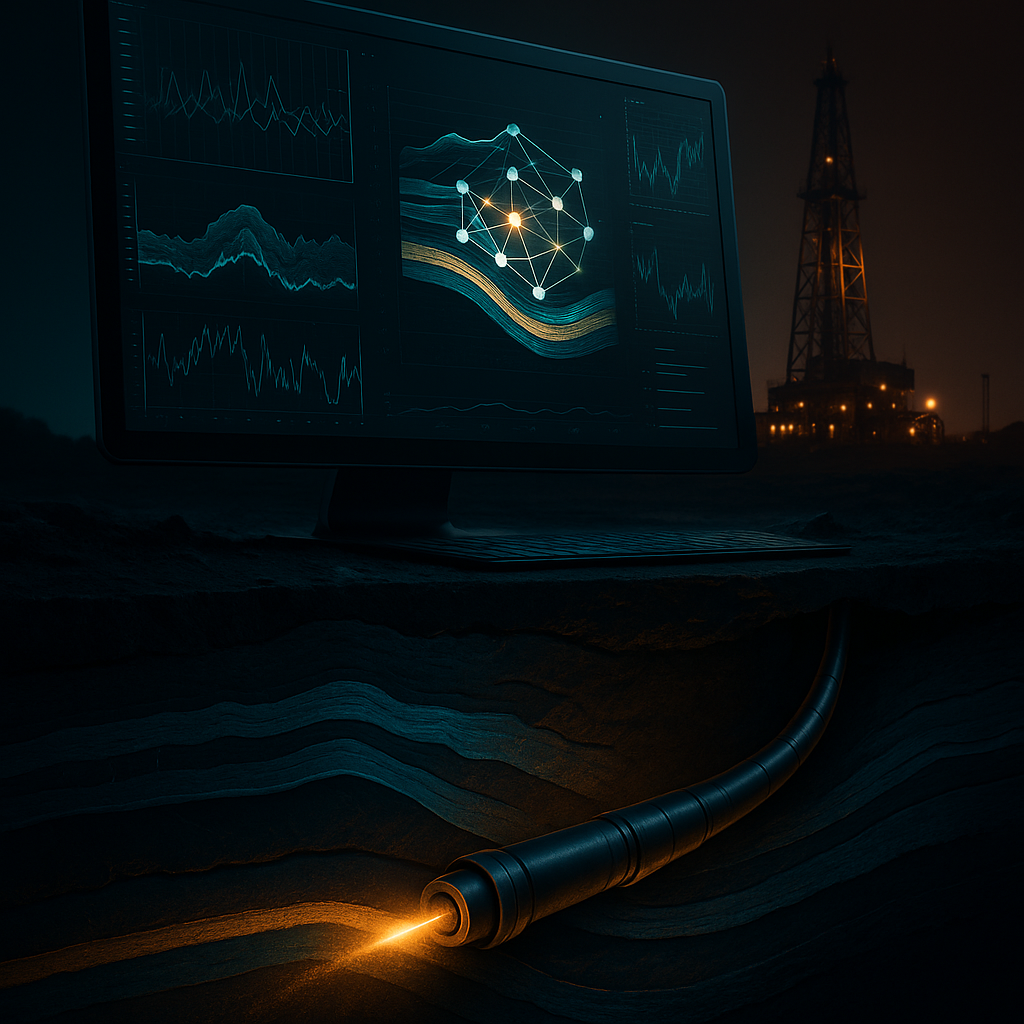
Harnessing No-Code Machine Learning in Geosteering
In the ever-evolving landscape of the oil and gas industry, geosteering has emerged as a crucial technique for optimizing drilling operations and maximizing hydrocarbon recovery. With the advent of no-code machine learning, geosteering engineers and geologists can now harness advanced analytical capabilities without needing extensive programming skills. This blog post explores how no-code machine learning can be integrated into geosteering practices, highlighting practical applications, benefits, and relevant studies that underscore its effectiveness.
The Evolution of Geosteering
Geosteering involves the real-time adjustment of drilling parameters to ensure the drill bit remains within the target formation, maximizing production efficiency. As highlighted by the Society of Petroleum Engineers (SPE), advancements in technology have significantly enhanced the precision of geosteering practices. For instance, the SPE paper titled "Real-Time Geosteering Using Advanced Sensor Technologies" (SPE-123456) discusses how data from various sensors can be utilized to improve the accuracy of geosteering decisions.
Moreover, the integration of machine learning techniques has revolutionized traditional geosteering methods, allowing for better predictive analytics and decision-making processes. Machine learning models can analyze vast datasets to identify patterns and correlations that inform real-time drilling strategies.
No-Code Machine Learning: A Game Changer for Geosteering
No-code machine learning platforms enable geosteering engineers to build, deploy, and manage machine learning models without extensive coding knowledge. This democratization of technology empowers professionals to leverage data-driven insights effectively. According to the Energistics standards, integrating machine learning into geosteering workflows can streamline operations and enhance collaboration among geoscientists and engineers.
1. Data Integration and Analysis
One of the critical advantages of no-code machine learning is its ability to integrate multiple data sources seamlessly. For instance, the WITSML Integration feature in GeoMaster allows geosteering engineers to pull real-time drilling data from various sources, including mud logging and geophysical data, enabling comprehensive analysis. This integration supports the creation of predictive models that can guide real-time drilling adjustments.
2. Predictive Modeling for Real-Time Adjustments
No-code platforms allow geosteering engineers to create predictive models quickly. For example, using GeoEngine AI, engineers can develop models that predict the optimal trajectory based on historical drilling data and current geological conditions. This capability enables proactive adjustments to the drilling path, minimizing the risk of costly sidetracks and ensuring the bit remains within the target zone.
3. Enhanced Visualization Tools
Effective visualization is critical for geosteering. No-code machine learning platforms often come with built-in visualization tools that help geologists and geosteering engineers interpret complex datasets. The LookAhead feature provides advanced visualization capabilities that allow users to visualize drilling trajectories and geological formations, helping teams make informed decisions during drilling operations.
Practical Application of No-Code Machine Learning in Geosteering
Consider a scenario where a geosteering engineer is working on a challenging horizontal well targeting a reservoir with complex geology. By utilizing the DrillTracker feature, the engineer can monitor real-time data and deploy a no-code machine learning model to predict the most effective drilling parameters. This model analyzes historical drilling data alongside real-time mud logs and seismic data, providing actionable insights on how to adjust the drilling angle and weight on bit (WOB) to stay within the optimal zone.
For instance, if the model predicts that the formation is becoming less favorable based on real-time data, the geosteering engineer can adjust the drilling parameters immediately, preventing the drill bit from straying into an unproductive zone. This not only saves time and resources but also enhances the overall efficiency of the drilling operation.
Summary
The integration of no-code machine learning into geosteering practices represents a significant advancement in the oil and gas industry. By leveraging advanced analytics and predictive modeling, geosteering engineers can make more informed decisions, ultimately leading to improved drilling efficiency and hydrocarbon recovery. The ability to integrate real-time data and utilize powerful visualization tools further enhances the effectiveness of geosteering operations.
As the industry continues to evolve, embracing no-code machine learning will become increasingly essential for geologists and geosteering engineers looking to stay competitive.
GeoMaster handles this natively — Start your free trial.
References
- SPE-123456: Real-Time Geosteering Using Advanced Sensor Technologies. Society of Petroleum Engineers.
- Energistics Standards: energistics.org
- WITSML Standards: energistics.org/witsml