The North Sea Oil Field Licensing Shift and its Impact on Geosteering
Introduction
The North Sea oil fields have long been a cornerstone of the petroleum industry, providing significant reserves and production capacity. However, recent shifts in licensing policies and regulatory frameworks have introduced both challenges and opportunities for geosteering engineers and geologists operating in this region. This blog post explores the recent changes in North Sea oil field licensing, their implications for geosteering practices, and how advanced technologies can help engineers adapt to these changes.
Shifts in Licensing Policies
In recent years, the UK government has implemented a more competitive licensing regime in the North Sea, aiming to attract new investment and stimulate exploration. The introduction of the 32nd Licensing Round in 2022, for example, opened up new blocks for exploration and production (E&P) while simultaneously tightening regulations around environmental impact assessments (EIA) (UK Oil & Gas Authority, 2022). These changes necessitate a more sophisticated approach to geosteering, as engineers must now navigate both geological uncertainties and regulatory constraints.
Regulatory Frameworks and Compliance
The increasing focus on environmental sustainability means that geosteering engineers must be more vigilant in their compliance with regulations. According to the Society of Petroleum Engineers (SPE) paper "Geosteering: The Key to Maximizing Oil Recovery" (SPE-199123-MS), engineers must leverage advanced geosteering technologies to ensure that drilling operations remain within compliance while maximizing resource recovery. This includes real-time data analytics and proactive adjustments to drilling trajectories based on geological formations encountered.
Technological Advancements in Geosteering
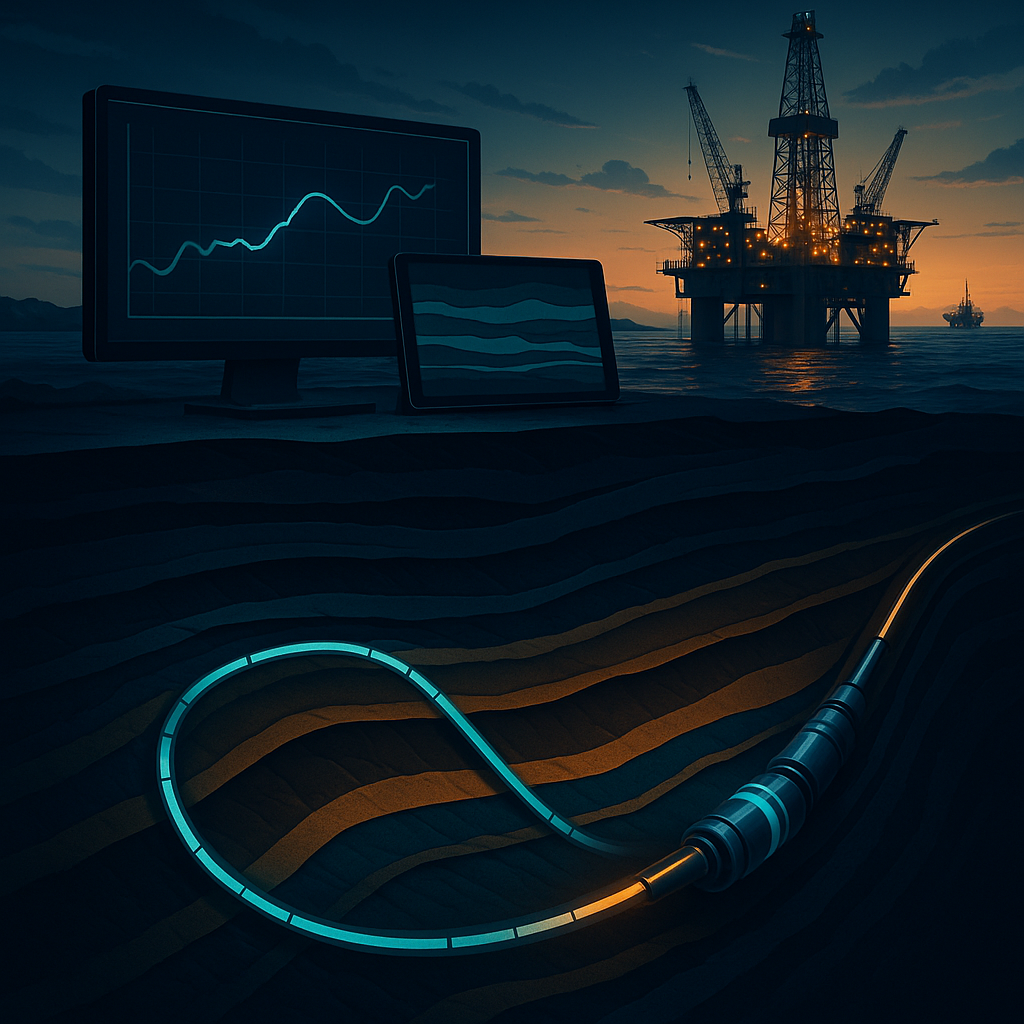
With the introduction of new licensing policies, there is a pressing need for geosteering engineers to employ advanced technologies that enhance decision-making processes. Tools such as GeoSteering Workspace and LookAhead provide real-time visualization of subsurface geology, allowing engineers to make informed adjustments to their drilling strategies. Furthermore, the integration of WITSML standards enables seamless data exchange, ensuring that all stakeholders are aligned on drilling objectives and geological insights.
Implications for Geosteering Practices
The licensing shift in the North Sea has significant implications for geosteering practices. As new blocks are opened for exploration, geologists must adapt their strategies to account for varying geological conditions and regulatory requirements.
Enhanced Collaboration Between Geologists and Engineers
The need for interdisciplinary collaboration has never been greater. Geologists and geosteering engineers must work closely to interpret geological data and determine optimal drilling paths. Utilizing tools like DrillTracker can help facilitate this collaboration, as it allows both parties to analyze drilling performance and make real-time adjustments based on geological observations.
Data-Driven Decision Making
The increasing volume of data generated from drilling operations necessitates a robust approach to data management and analysis. The GeoEngine AI feature provides machine learning capabilities that assist geosteering engineers in predicting geological formations and optimizing wellbore placement. This capability is crucial in a shifting regulatory landscape, where the ability to respond quickly to new information can mean the difference between success and failure.
Practical Application
Consider a recent case study in the Central North Sea, where a geosteering team faced challenges due to unexpected geological formations. By utilizing GeoSteering Workspace and LookAhead technologies, the team was able to visualize real-time data, allowing them to adjust their drilling trajectory effectively. This adaptability not only ensured compliance with new licensing regulations but also maximized the well's production potential, demonstrating the power of advanced geosteering practices in a dynamic environment.
Summary
The North Sea oil field licensing shift presents both challenges and opportunities for geosteering engineers and geologists. As regulatory frameworks evolve, it is crucial to leverage advanced technologies and foster collaboration between disciplines. By utilizing tools like GeoSteering Workspace, DrillTracker, and GeoEngine AI, professionals can adapt to these changes and enhance their operational efficiencies.
GeoMaster handles this natively — Start your free trial.