Realities and Innovations in UK Offshore Drilling
As the demand for energy continues to rise, the UK offshore drilling sector remains at the forefront of technological advancements and operational efficiency. This blog post delves into the realities and innovations shaping this dynamic industry, particularly focusing on the role of geosteering and drilling engineers. We will explore recent developments, practical applications, and how GeoMaster's innovative tools can assist professionals in these fields.
Current State of Offshore Drilling in the UK
The UK offshore drilling landscape is characterized by a mix of mature and emerging fields, with a significant push towards maximizing recovery from existing assets while exploring new opportunities. According to a report by the Society of Petroleum Engineers (SPE), offshore drilling operations in the UK Continental Shelf (UKCS) are increasingly focused on resource efficiency and sustainability (SPE-199722). This evolution is driven by the need to balance economic viability with environmental considerations.
Innovations in Geosteering Technology
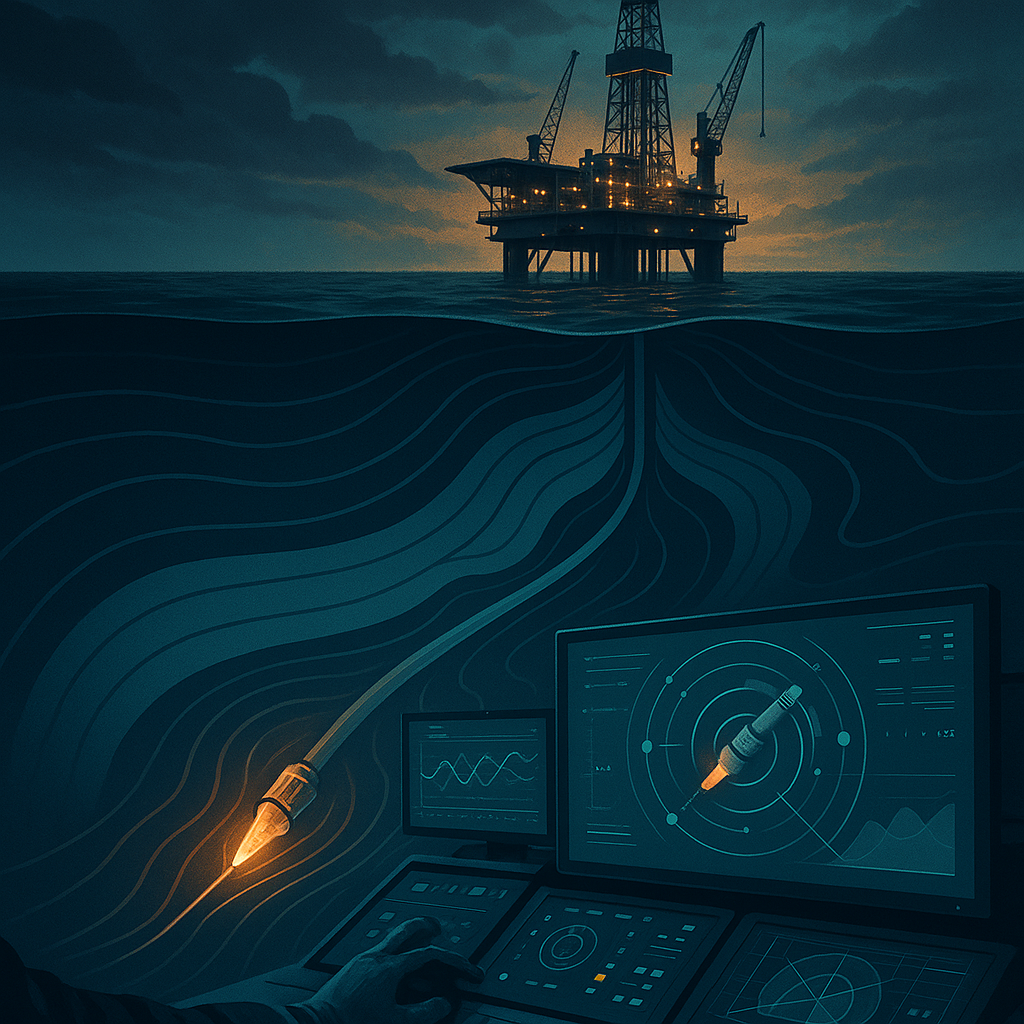
Geosteering has revolutionized how drilling engineers approach wellbore placement and trajectory optimization. The integration of real-time data analytics and machine learning into geosteering practices has enabled engineers to make informed decisions while drilling. Tools like GeoEngine AI leverage artificial intelligence to predict geological formations and enhance drilling accuracy. A recent SPE paper, "Real-time Geosteering with Machine Learning" (SPE-202345), showcases how these innovations have led to reduced drilling time and lower costs.
Advanced Drilling Techniques
The adoption of advanced drilling techniques, such as Managed Pressure Drilling (MPD) and Continuous Circulation Systems (CCS), has transformed offshore operations. MPD allows for better control of pressure during drilling, minimizing the risk of kicks and blowouts. According to Energistics standards, these methods enhance safety and efficiency (energistics.org). The practical application of these techniques can be seen in projects like the West of Shetland drilling campaigns, where engineers effectively managed wellbore stability and improved drilling performance.
Enhanced Data Integration and WITSML Standards
The integration of WITSML (Wellsite Information Transfer Standard Markup Language) has become crucial in offshore drilling operations. It enables seamless data exchange between various systems, providing drilling engineers with real-time insights into well performance. This standardization improves collaboration among multidisciplinary teams and enhances decision-making. The implementation of WITSML standards in the UK offshore sector has been discussed in the paper "Optimizing Data Exchange in Offshore Drilling Operations" (SPE-198233).
Practical Application: A Geosteering Engineer's Perspective
For geosteering engineers, the real-time application of advanced technologies can significantly impact drilling outcomes. Utilizing tools such as the GeoSteering Workspace, professionals can visualize subsurface formations and make adjustments to well trajectories swiftly. For instance, while drilling in the Central North Sea, real-time data from the DrillTracker provided insights that led to a successful lateral extension of the well, increasing reservoir exposure by 20%.
Moreover, the LookAhead feature aids in predicting potential geological hazards, allowing geosteering engineers to proactively adjust drilling plans. By leveraging the capabilities of GeoEngine AI, engineers can enhance their predictive analytics, reducing drilling risks and optimizing well placements.
Summary
The UK offshore drilling industry is undergoing a significant transformation driven by technological innovations and a focus on operational efficiency. From advanced geosteering techniques to enhanced data integration through WITSML, there are numerous opportunities for drilling engineers to improve their practices and outcomes. As these innovations continue to evolve, tools like GeoMaster are paving the way for a more efficient and sustainable future in offshore drilling.
For drilling and geosteering engineers looking to optimize their operations, GeoMaster handles this natively — Start your free trial.
References:
- SPE-199722. "Challenges and Opportunities in the UK Continental Shelf."
- SPE-202345. "Real-time Geosteering with Machine Learning."
- SPE-198233. "Optimizing Data Exchange in Offshore Drilling Operations."