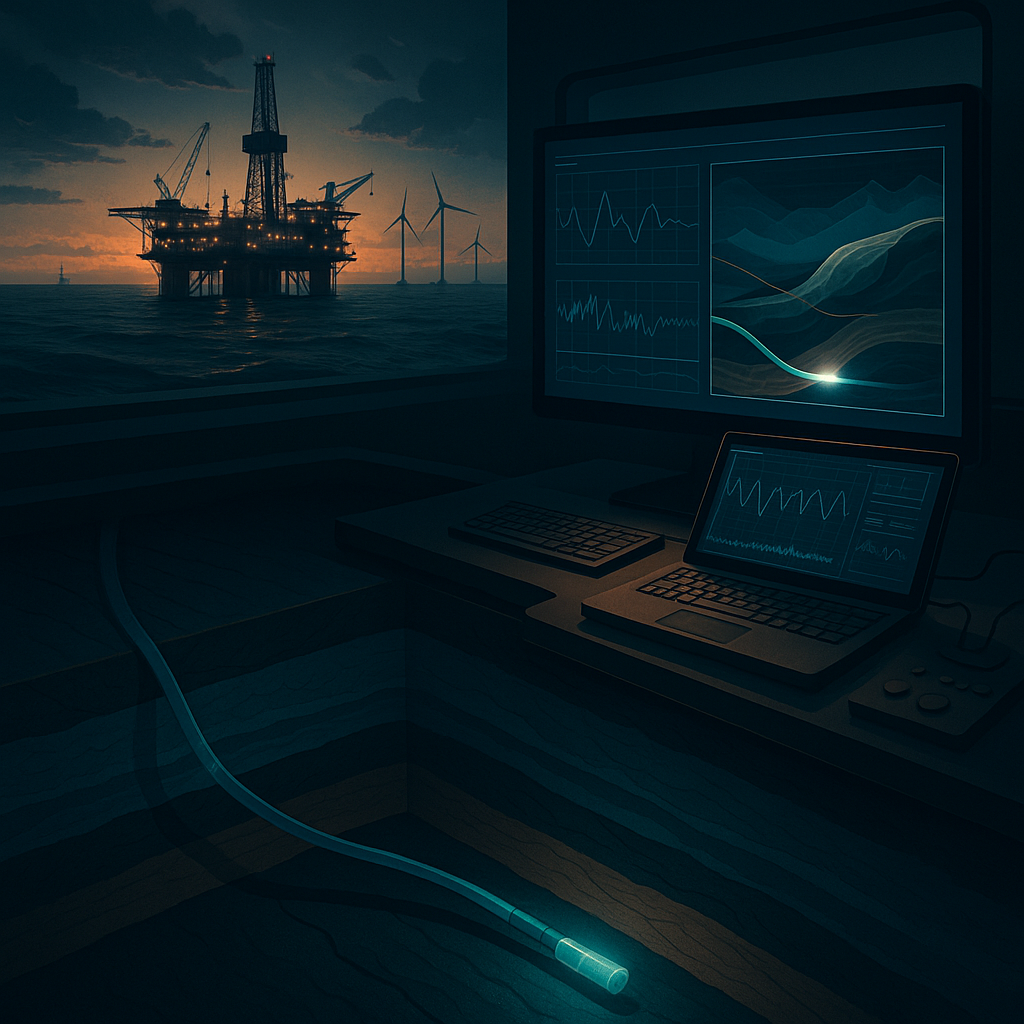
Towards a Zero Emission Future: Geosteering Innovations in the North Sea
Introduction
As the world pivots towards a sustainable future, the oil and gas industry is facing the imperative of reducing carbon emissions. The North Sea, a historically significant oil-producing region, is undergoing transformation through innovative geosteering technologies that aim to minimize environmental impact. By leveraging advanced geosteering techniques, we can enhance operational efficiency while progressing towards a zero-emission future. This blog post will explore the latest innovations in geosteering, particularly in the context of the North Sea, and highlight their implications for geologists and geosteering engineers.
The Role of Geosteering in Emission Reduction
Geosteering is the process of directing the drilling of wells in real-time based on geological data. This technique is vital for maximizing hydrocarbon recovery while minimizing unnecessary drilling, which can lead to increased emissions. According to the Society of Petroleum Engineers (SPE) paper "Geosteering: A Key Factor in Drilling Efficiency" (SPE-193232), effective geosteering can significantly reduce the number of non-productive time (NPT) hours, thereby lowering the overall carbon footprint of drilling operations.
Innovations in Geosteering Technology
Real-Time Data Integration
One of the most significant advancements in geosteering is the integration of real-time data analytics. The use of WITSML Integration protocols allows for seamless data exchange between drilling operations and geological models. This capability enables geosteering engineers to make informed decisions on-the-fly, optimizing wellbore placement and reducing the risk of drilling into uneconomic zones.
Machine Learning and AI
The incorporation of AI and machine learning technologies, particularly through tools like GeoEngine AI, has revolutionized geosteering. By analyzing historical drilling data and geological formations, these systems can predict the most efficient drilling trajectories with minimal environmental impact. A recent study published in the SPE paper "Machine Learning in Geosteering: A Case Study" (SPE-198345) illustrates how AI can enhance decision-making processes in real-time, further supporting the goal of a zero-emission future.
Advanced Visualization Tools
Advanced visualization tools, such as the GeoSteering Workspace, are pivotal for effective geosteering. They provide geologists and engineers with interactive 3D models of subsurface formations, enabling better assessment of drilling risks and opportunities. Enhanced visualization not only improves drilling accuracy but also minimizes the need for remedial operations, which can be resource-intensive and environmentally damaging.
Practical Application of Geosteering Innovations
In the North Sea, operators have begun employing these innovative geosteering technologies to enhance drilling performance. For instance, a recent operational case involved the deployment of DrillTracker for a project in the Norwegian sector. By utilizing real-time data analysis and predictive modeling, the drilling team successfully navigated complex geological formations, achieving a 20% increase in drilling efficiency and a substantial reduction in associated emissions.
Moreover, the implementation of LookAhead technologies has allowed teams to visualize potential hazards before they occur, significantly reducing the chances of costly drilling incidents and ensuring a safer, more environmentally friendly operation.
Summary
The journey towards a zero-emission future in the oil and gas industry is not just a necessity; it is a responsibility. Innovations in geosteering, such as real-time data integration, machine learning, and advanced visualization tools, are paving the way for more efficient and environmentally conscious drilling practices in the North Sea. As geologists and geosteering engineers, embracing these technologies will be crucial in meeting both industry standards and societal expectations.
For those looking to enhance their geosteering capabilities and contribute to a more sustainable future, GeoMaster offers a suite of tools designed to streamline operations and support effective decision-making.
GeoMaster handles this natively — Start your free trial