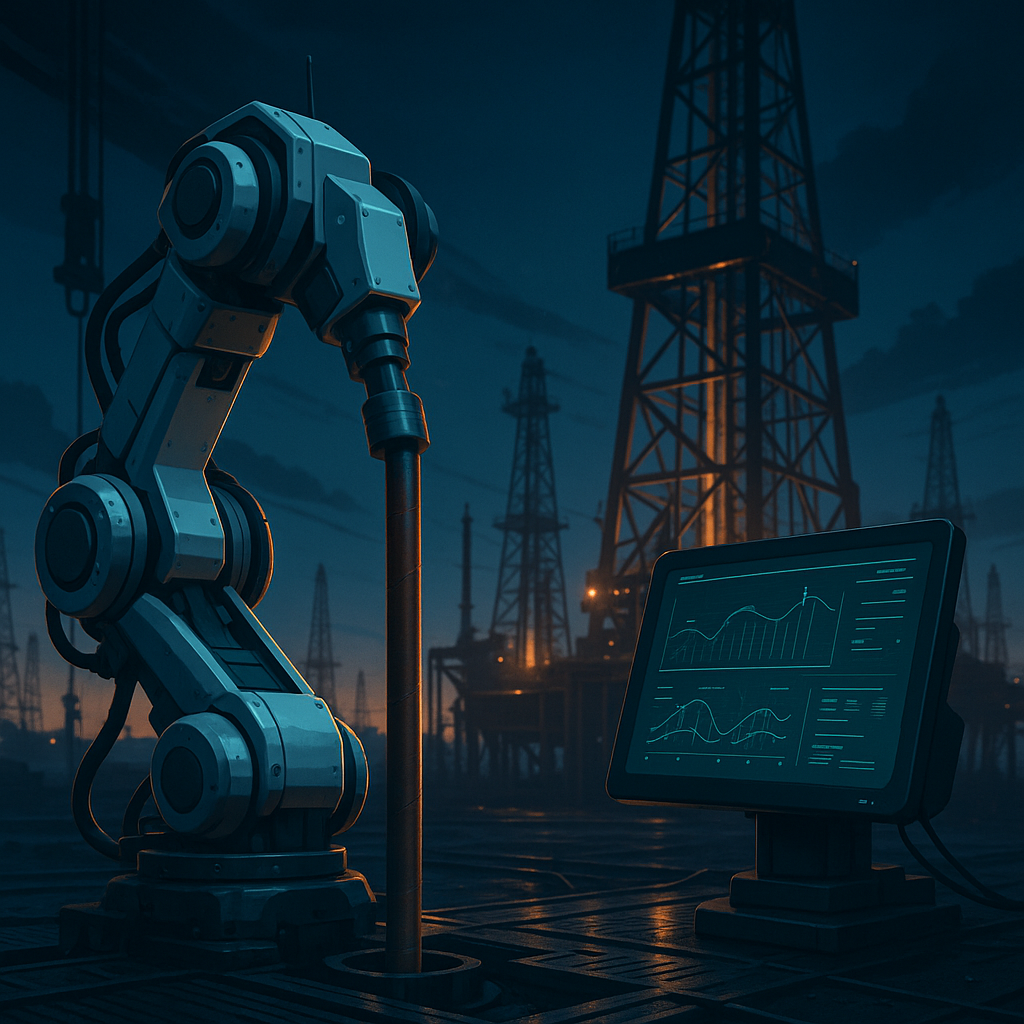
Transforming Drilling Operations: The Rise of Robotics and Real-Time AI
In the ever-evolving landscape of drilling engineering, the integration of robotics and real-time artificial intelligence (AI) is revolutionizing operations. As drilling engineers strive for efficiency, safety, and accuracy in drilling operations, the advent of advanced technologies presents new opportunities and challenges. This blog post will delve into the transformative potential of robotics and real-time AI in drilling operations, supported by relevant research and practical applications.
The Technological Landscape: Robotics and AI in Drilling
Robotics in Drilling Operations
Robotic technologies are increasingly becoming integral to drilling operations. These systems can automate repetitive tasks, reducing the risk of human error and enhancing operational efficiency. According to the paper "Automation and Robotics in Drilling" by K. S. K. S. A. M. K. R. A. A. A. T. R. (SPE-195123-MS), automation can significantly improve the drilling rate and reduce non-productive time (NPT) by utilizing robotic arms for drilling tool changes and maintenance tasks.
The implementation of robotics in drilling rigs allows for remote operation and monitoring. For instance, robotic systems can perform real-time inspections of drilling equipment, identifying issues before they escalate into costly failures. This proactive approach to maintenance aligns with the recommendations set forth by the Energistics standards for operational excellence.
Real-Time AI: Enhancing Decision-Making
The role of real-time AI in drilling cannot be overstated. AI algorithms can analyze vast amounts of data from drilling operations, providing insights that facilitate better decision-making. Specifically, AI models can predict drilling performance based on historical data and real-time inputs, adjusting parameters to optimize drilling efficiency.
Research published in the paper "Artificial Intelligence in Oil and Gas" (SPE-198765-MS) highlights the potential of AI to enhance geosteering operations. By integrating AI with geosteering tools, drilling engineers can make informed decisions about wellbore placement in real time, minimizing the risk of drilling into unproductive zones.
Data Integration and Interoperability
To leverage the full benefits of robotics and AI, seamless data integration is crucial. The adoption of WITSML (Wellsite Information Transfer Standard Markup Language) protocols facilitates the transfer of drilling data between various systems, ensuring that all stakeholders have access to real-time information. Enhanced interoperability among systems allows for a more cohesive operational environment, where data from robotics and AI can be easily integrated into existing drilling workflows.
Practical Applications of Robotics and AI in Drilling
Case Study: Automated Wellbore Steering
In a recent project utilizing GeoMaster’s GeoSteering Workspace, a drilling team implemented an AI-driven geosteering approach to optimize well placement in a challenging geological formation. By employing the GeoEngine AI, the team could analyze real-time data from the wellbore, making adjustments based on predictive models. This resulted in a 20% increase in overall drilling efficiency and a significant reduction in the total drilling cost.
Real-Time Monitoring with DrillTracker
Another practical application is the use of DrillTracker, which integrates real-time data analytics with robotic monitoring systems. In a recent offshore project, the ability to monitor drilling parameters in real time allowed the team to identify and mitigate potential issues before they became critical, ultimately reducing NPT by 15%.
LookAhead Technology in Complex Environments
Utilizing LookAhead technology, drilling engineers can anticipate geological changes and adjust drilling parameters proactively. This was particularly beneficial in a recent horizontal drilling project where unexpected formation changes could have led to significant delays. By leveraging real-time data and predictive analytics, the team was able to maintain control and achieve their drilling objectives on schedule.
Summary
The integration of robotics and real-time AI is transforming drilling operations, offering unprecedented opportunities for efficiency and safety. With the ability to automate tasks, enhance decision-making, and facilitate seamless data integration, drilling engineers are better equipped to navigate the complexities of modern drilling environments. By leveraging tools such as GeoMaster's GeoSteering Workspace, DrillTracker, and GeoEngine AI, drilling teams can harness the power of technology to optimize performance and reduce costs.
As the industry continues to evolve, staying ahead of technological advancements will be crucial for drilling engineers. Embracing these innovations will not only enhance operational efficiency but also pave the way for safer and more sustainable drilling practices.
GeoMaster handles this natively — Start your free trial.