Gamma ray is the workhorse of geosteering. It is cheap, it is in almost every logging-while-drilling (LWD) string, and it is the log most type wells were run with. But a gamma ray log from a horizontal well does not look like one from a vertical well, and reading it the same way is the most common mistake new geosteerers make.
What the Gamma Ray Tool Measures
The tool counts natural gamma radiation from the rock around the borehole, in API units. Most of that radiation comes from three elements: potassium, thorium and uranium. Clay minerals hold potassium and thorium, so shales usually read high. Clean sandstones and carbonates usually read low.
That gives the familiar rule: high gamma means shale, low gamma means clean rock. The rule has exceptions worth knowing:
- Hot shales and organic-rich rock can read very high because of uranium, which says more about organic content than clay.
- Feldspar-rich sands can read high because of potassium, though they are good reservoir.
- Clean rock with radioactive minerals can read like a shale.
Where it matters, spectral gamma ray separates potassium, thorium and uranium. For geosteering, though, the absolute value matters less than the pattern, because you are matching shapes, not classifying rock.
Why a Horizontal Log Looks Different
In a vertical well, the tool passes through each layer once, top to bottom. The log is a direct picture of the stratigraphy.
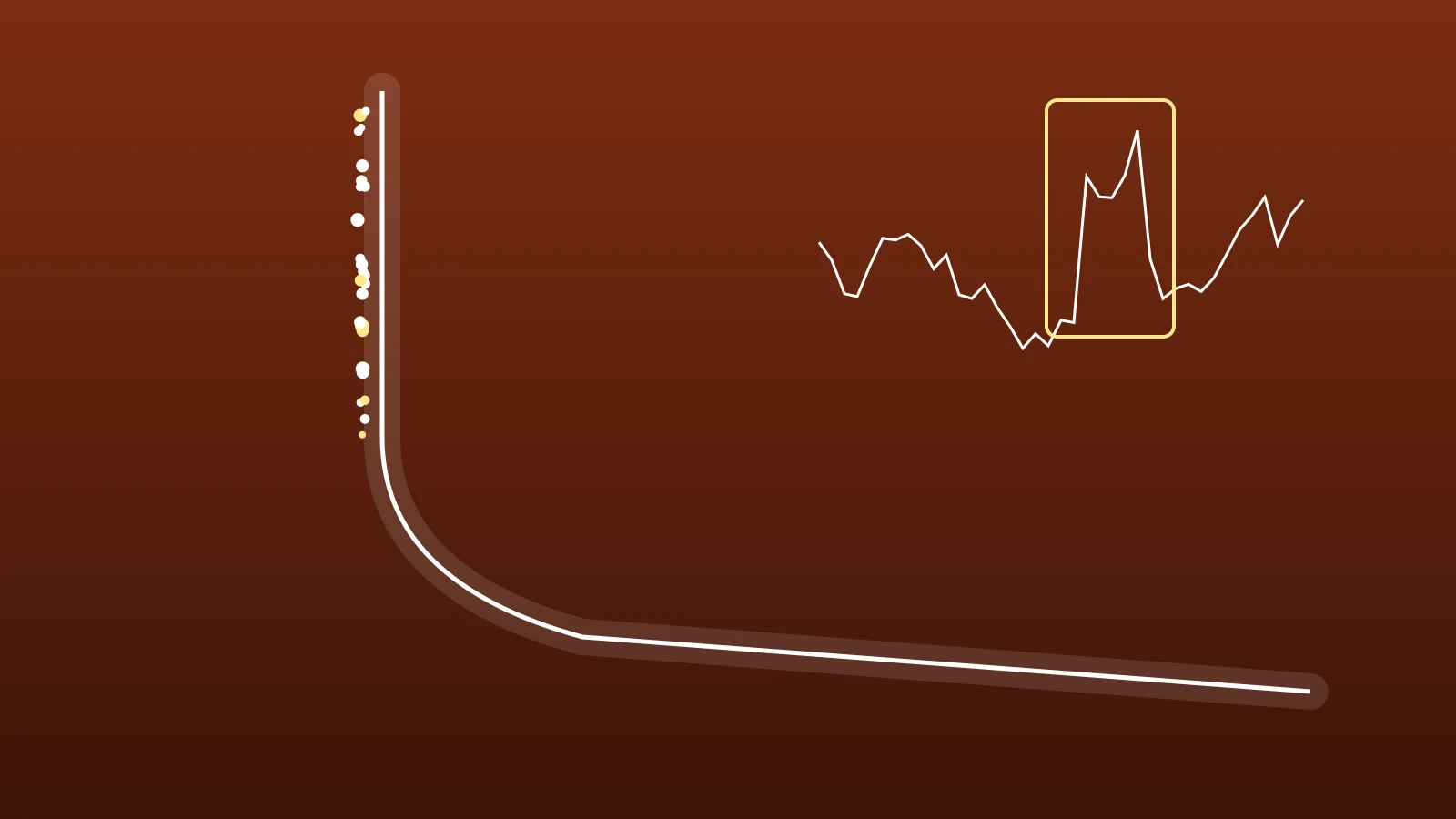
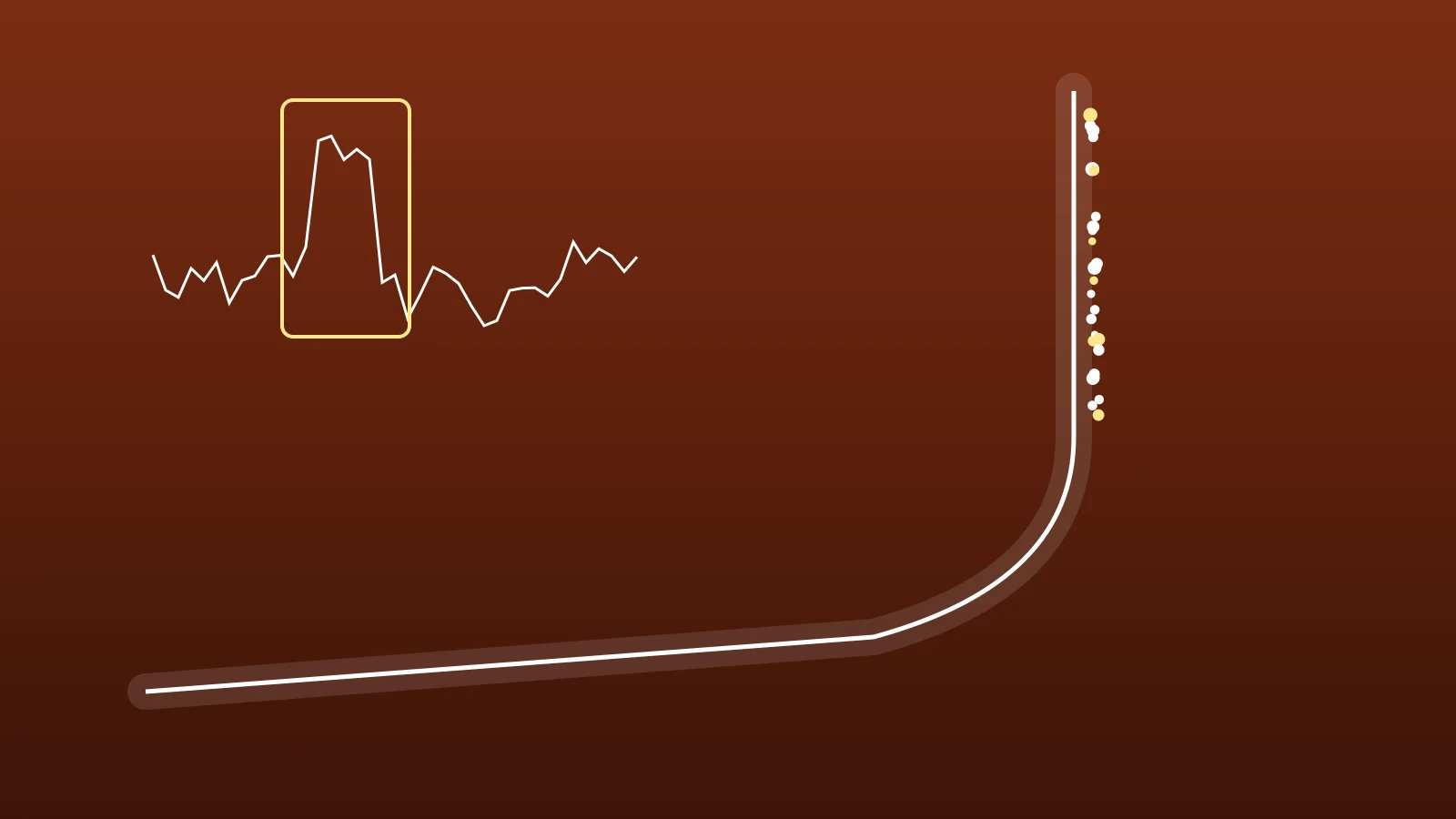
In a horizontal well, the tool travels along the layers. While the well stays inside one layer, the gamma is roughly flat, sometimes for hundreds of metres. When the well moves up or down through the stratigraphy, the gamma changes as it crosses each layer. So a horizontal gamma log is not a picture of the stratigraphy; it is a record of how the well moved through it.
Three things follow.
- Measured depth stretches the log. A 1 m thick bed crossed at 89° can take tens of metres of measured depth to cross. The horizontal log shows the same features as the type well, stretched by an amount that depends on the angle between the well and the layers.
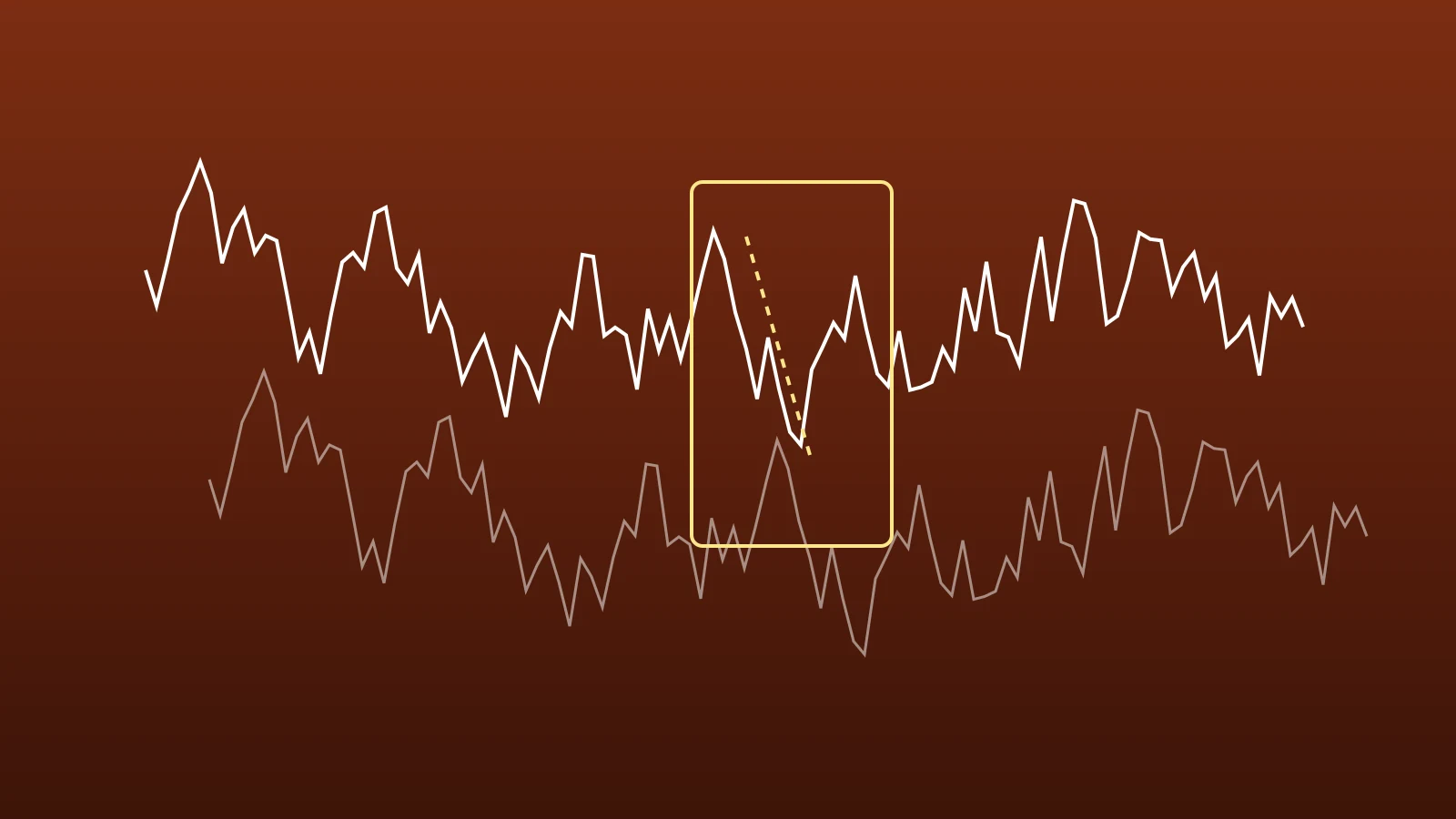
- Patterns repeat. If the well climbs out of a layer and drops back into it, the log shows the same pattern twice.
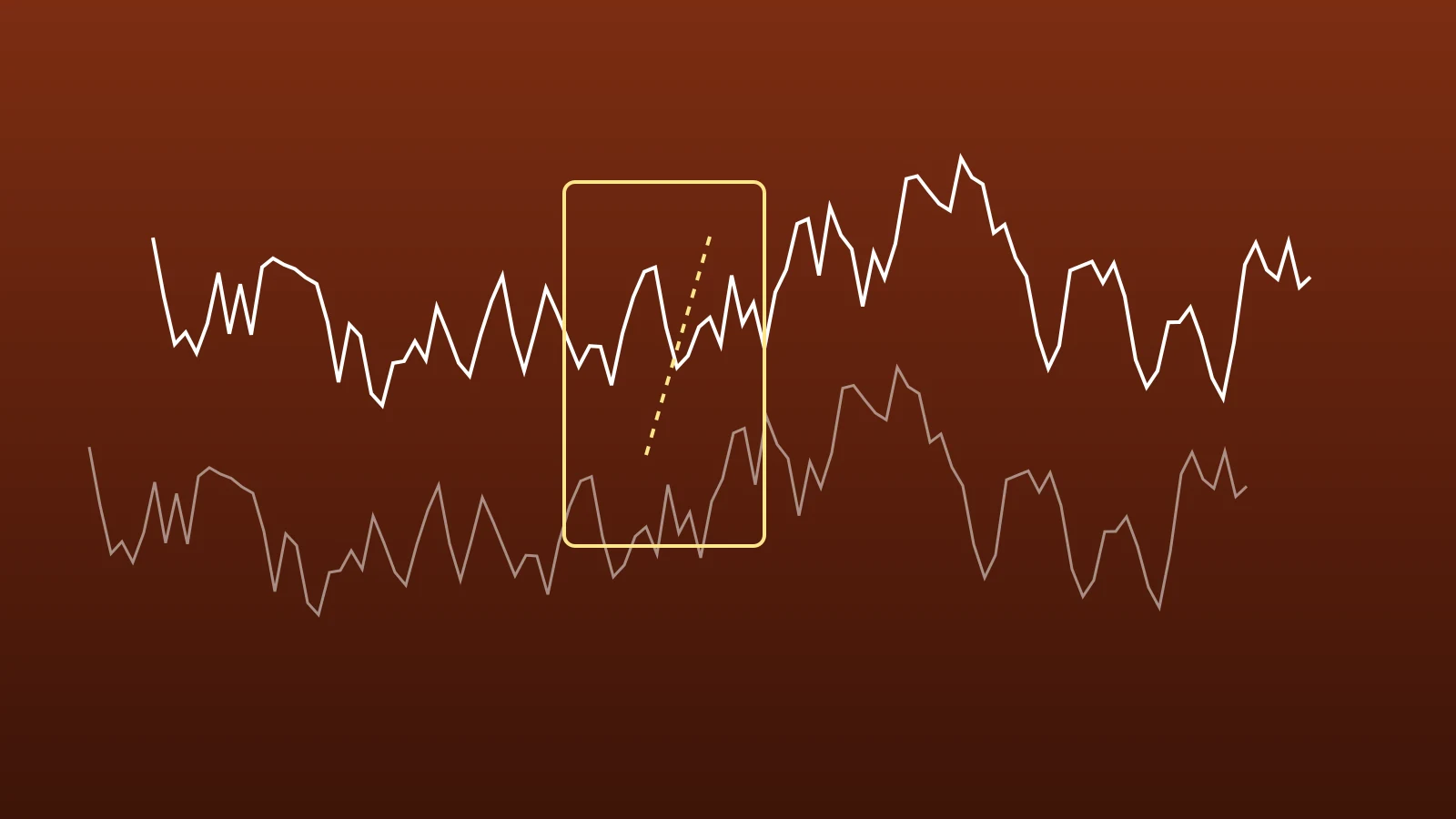
- Patterns mirror. Climbing through a sequence shows it in reverse order compared with dropping through it. A sequence that reads A, B, C going down reads C, B, A coming back up.
Reading the Shapes
When you see a change in the gamma along the lateral, ask what movement through the stratigraphy would produce it.
- Flat gamma: the well is travelling parallel to the layers, or inside a thick uniform layer. Either way, the log alone cannot tell you where in the layer you are.
- A gradual rise or fall: the well is approaching or leaving a boundary at a low angle. The tool sees some distance into the rock, so it starts to sense a hot bed before the well enters it.
- A sharp change: the well is crossing a boundary at a higher angle, or there is a fault.
- A pattern then its mirror: the well has crossed into a layer and come back out on the same side.
To decide which way the well is moving, combine the gamma with the inclination and the expected dip. With flat layers, an inclination above 90° means the well is climbing through the section, so the pattern should match the type well read upwards.
Azimuthal Gamma: Up or Down?
Standard gamma ray reads all the way around the borehole, so it cannot tell you whether a hot bed is above or below the well. Azimuthal, or focused, gamma tools measure separately in different directions, usually reported as up and down readings.
When the well approaches a shale from below, the up reading rises first. When it approaches from above, the down reading rises first. That answers the question that standard gamma cannot: which boundary am I near? If your LWD string has azimuthal gamma, plot up and down together, and watch the difference between them.
Five Traps
- Reading the value, not the pattern. Two intervals with the same average gamma can be at different positions. Match peaks, troughs and gradients against the type well.
- Ignoring the tool offset. The lateral's gamma tool and the type well's tool rarely read the same. A constant difference is calibration, not geology. Correct it once before you correlate.
- Forgetting where the sensor is. The gamma sensor sits behind the bit, often 10 to 20 m back. What you see now is where the well was, not where the bit is.
- Over-reading noise. Gamma ray is a counting measurement, and fast drilling means fewer counts per sample. Small wiggles in a flat interval are often statistics, not geology. Smooth lightly, and do not steer on one sample.
- Missing the depth shift. Real-time gamma is sometimes depth-shifted later when memory data arrives. If the shapes suddenly line up better or worse after a data update, check whether the depths changed.
From Gamma Ray to a Position in the Target
Reading the gamma tells you how the well is moving through the layers. To turn that into a position, how far below the top of the target and how far above its base, you correlate the lateral against a type well interval by interval. Our guides to type well correlation and checking the stratigraphic position of a horizontal well take you through it with a worked example.
How GeoMaster Helps
In GeoMaster®, registered in the United Kingdom (UK00004424070), the lateral's gamma ray is plotted against the type well's in GeoMatch, and matched interval by interval, with the dip and the true vertical thickness calculated from the surveys. Gamma ray comes in from LAS 2.0 files or a WITSML 1.4.1.1 server. To look at a log before you load it anywhere, our free LAS viewer plots any LAS 1.2 or 2.0 file in the browser without uploading it.
Start free, or request a 14-day Pro trial; we approve requests within 1 working day.
Frequently asked questions

Written by the GeoMaster team at Greenstone Energy Ltd
Geosteerers and drilling engineers building geosteering software in the browser. Meet the founders →
Work With Us
Run your next well in GeoMaster. Start on the free plan, or request a 14-day Pro trial: we approve requests within 1 working day and you won't need a card.